
When to Install New Gutters vs. Replace Existing Ones on Your Home
When deciding whether to install new gutters or replace existing ones, local contractors can assess your home’s needs and provide expert installation services.
Understanding when to install new gutters versus replacing existing ones is an important consideration for property owners looking to protect their homes effectively. If your current gutters are showing signs of significant damage, such as sagging, leaks, or extensive rust, it may be time to consider a full replacement. Conversely, if the gutters are relatively intact but have minor issues like clogs or small leaks, installing new gutters might be a practical solution. Property owners in the area often explore this topic to ensure their homes stay protected from water damage, especially during heavy rains or storms. Local contractors who specialize in gutter installation can provide valuable insights and services tailored to your home's specific needs, helping you make informed decisions about whether to upgrade or replace your existing system.
Deciding between installing new gutters and replacing existing ones can also depend on factors like the age of the current system and the overall condition of your home’s exterior. Older gutters may become less effective over time, leading many property owners to seek professional installation of modern, durable options. This not only enhances the home's curb appeal but also ensures better water management. For those in the area, understanding these practical reasons can make the process smoother, especially when seeking advice from experienced service providers who can recommend the best course of action. Keep reading to discover how local pros can assist with your gutter needs, whether that means upgrading your current system or installing entirely new gutters to better protect your home.
- homeowners considering when to install new gutters vs. replace existing ones on your home should consult local contractors to assess the condition of current gutters and determine if replacement is necessary. - when existing gutters show signs of significant damage or deterioration, local service providers can recommend whether a full replacement or new installation is the best solution. - if gutters are outdated or incompatible with current roofing systems, local pros can help evaluate whether installing new gutters is more effective than repairing the old ones. - for homes experiencing frequent clogs or improper drainage, local contractors can advise on whether replacing existing gutters or installing new ones will improve performance. - when planning home upgrades, homeowners can rely on local service providers to determine if a gutter replacement or new installation aligns with long-term maintenance goals.
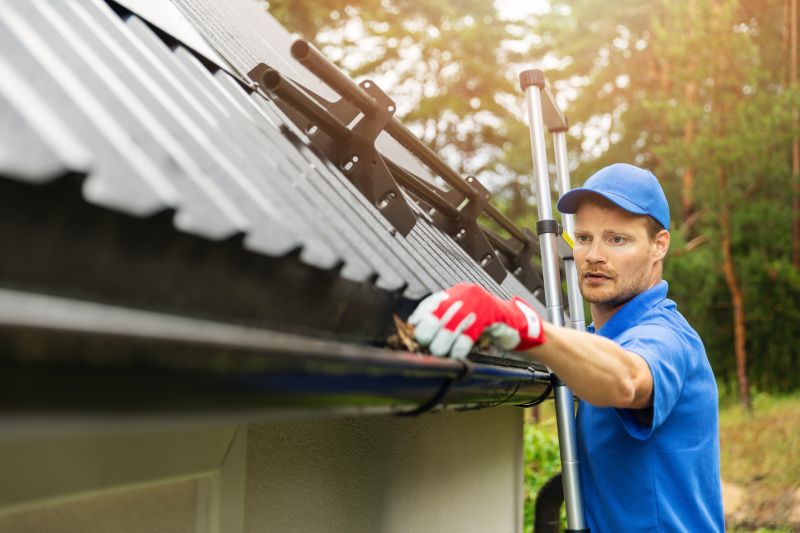
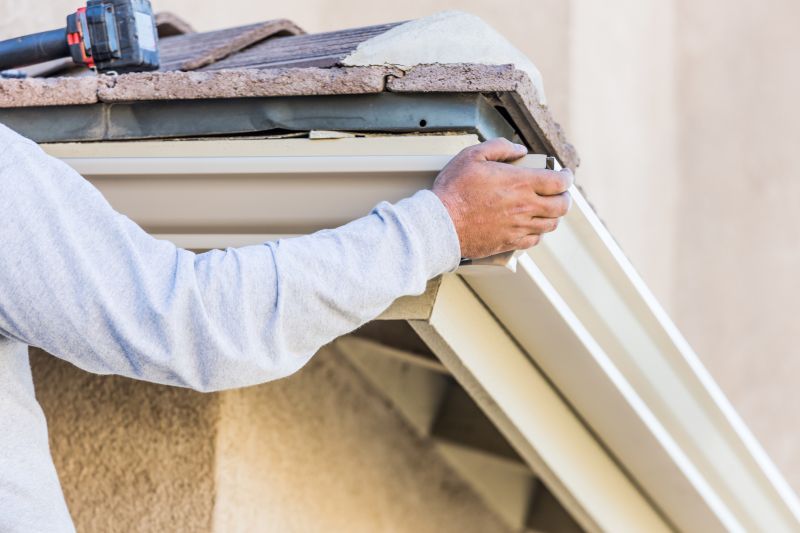
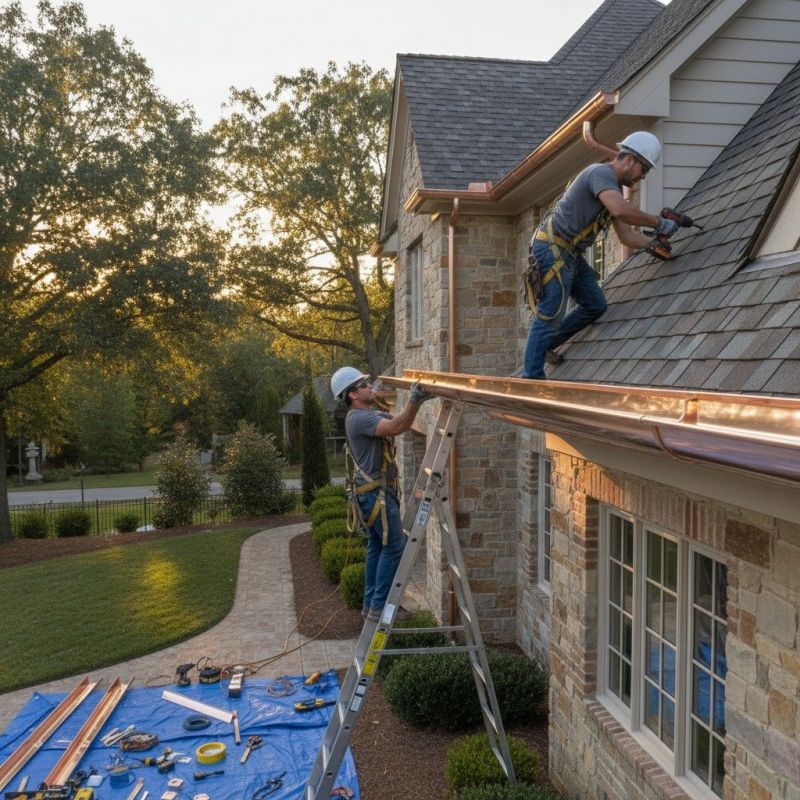
Understanding when to install new gutters versus replacing existing ones is a common consideration for homeowners looking to maintain or improve their property's drainage system. When homeowners search this topic, they are often trying to determine whether their current gutters can be repaired or if a full replacement is necessary. This decision typically relates to ongoing issues like frequent leaks, sagging, or overflowing gutters, as well as when planning a home renovation or siding upgrade. Property owners with older homes or those experiencing water-related problems often turn to local contractors to assess the condition of their current gutters and recommend the best course of action.
The questions surrounding this topic usually tie into specific problems such as clogged or damaged gutters, rust, or the inability of existing systems to handle heavy rainfall. Homeowners may also be planning to improve their home's curb appeal or prevent structural damage caused by water infiltration. These considerations are especially relevant for properties in regions with significant weather variations or homes with complex roof designs. Whether the goal is to fix a problematic system or upgrade to more efficient gutters, understanding the difference between installing new gutters and replacing old ones helps homeowners make informed decisions that protect their investment.
Properties that commonly come up in these discussions include older single-family homes, multi-story residences, and newer constructions with custom or high-capacity gutter systems. Homes with extensive landscaping or those situated on slopes may require specialized gutter solutions, making the decision to install new gutters or replace existing ones more nuanced. Commercial buildings and multi-unit residential properties may also face similar considerations, often needing durable systems that can withstand heavier use. Local service providers experienced in gutter installation and replacement can evaluate these property types and recommend appropriate solutions tailored to each home's unique needs.
In practical terms, the choice between installing new gutters versus replacing existing ones depends on several factors, including the gutters’ current condition, age, and functionality. If gutters are severely damaged, rusted, or no longer effective at diverting water away from the home, replacement is typically the best option. Conversely, if the existing gutters are relatively new but have minor issues like leaks or sagging, repair or partial upgrades might suffice. Homeowners should consider consulting with local contractors who can assess their property’s specific situation and help determine whether a new installation or a replacement makes the most sense for long-term performance and durability.
Gutter cleaning services - these projects require similar skills in handling water drainage systems and using ladders safely, making them relevant for those considering gutter installation or replacement.
Roof repair and maintenance - understanding roof conditions and how they impact gutter performance is essential, and local contractors often handle both to ensure proper water runoff.
Downspout installation and repair - installing or fixing downspouts complements gutter work and involves similar planning and tools for efficient water diversion.
Soffit and fascia replacement - these projects involve working around the roofline, requiring knowledge of gutter placement and integration for optimal home protection.
Exterior home siding installation - this work shares planning and safety considerations with gutter projects, especially when working on the home's exterior surfaces.
Waterproofing and drainage solutions - these projects involve managing water flow around a home, closely related to deciding when to install or replace gutters for effective drainage management.
When evaluating local contractors for gutter projects, it is important to consider their experience with similar types of work. Homeowners should inquire about how many installations or replacements they have completed that match the scope of their project. An experienced service provider will have a clear understanding of when to install new gutters versus replacing existing ones, based on factors like the condition of the current system and the specific needs of the home. This knowledge can help ensure the chosen contractor can provide practical advice and a solution that best suits the situation, avoiding unnecessary work or overlooked issues.
Clear, written expectations are essential when comparing local contractors for gutter services. Homeowners should seek detailed proposals that outline the scope of work, materials to be used, and the process involved. Well-defined expectations help prevent misunderstandings and ensure that both parties are aligned on what will be done, whether it involves installing new gutters or replacing existing ones. This clarity also supports informed decision-making, allowing homeowners to assess which service provider can deliver the results they need with transparency and professionalism.
Reputable references and good communication are key indicators of a reliable service provider. Homeowners should ask for references or reviews from previous clients who had similar projects completed. Listening to feedback about the contractor’s responsiveness, professionalism, and quality of work can provide insight into their reliability. Effective communication throughout the process is vital, especially when determining the appropriate approach for gutter installation or replacement. A service provider who maintains open, clear communication can help homeowners feel confident in their choice and ensure the project progresses smoothly from start to finish.
Property owners often search for when to install new gutters vs. replace existing ones on your home when they are planning practical projects around their homes and businesses. Local pros provide New Gutters Installation services for everyday jobs and straightforward project options.
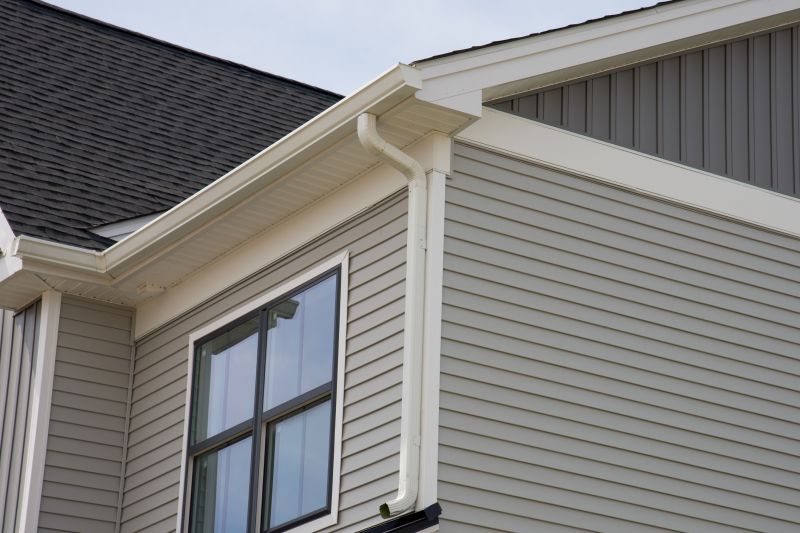
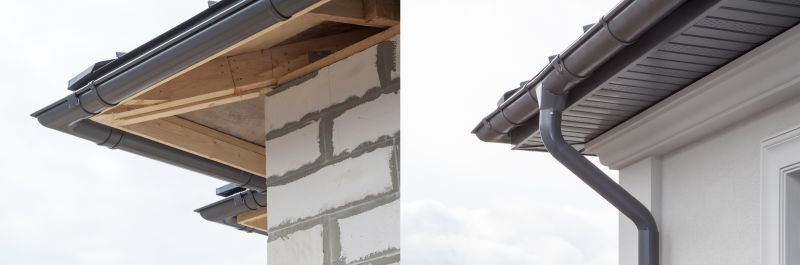
Understanding when to install new gutters versus replacing existing ones is a common concern for property owners seeking to maintain their home's exterior. If gutters are showing signs of significant damage, such as sagging, cracking, or frequent leaks, local contractors may recommend a full replacement to ensure proper drainage and prevent water damage. Additionally, if the current gutters are outdated or incompatible with new roofing or siding, installing new gutters can provide a more effective and long-lasting solution. Many property owners look up this topic to determine the best approach for preserving their home's foundation and exterior, especially after severe weather events or years of wear and tear.
In everyday situations, homeowners might consider installing new gutters when existing ones have reached the end of their lifespan or have been extensively repaired without lasting results. Conversely, if the gutters are relatively new and only require minor fixes, replacement may not be necessary. Local service providers can assess the condition of existing gutters and advise on whether a straightforward upgrade or a complete replacement is the most practical choice. This helps property owners make informed decisions about maintaining their home's exterior, ensuring proper water management without unnecessary work.
When should I consider installing new gutters instead of replacing existing ones? If your current gutters are severely damaged, sagging, or have extensive leaks that cannot be repaired, it may be better to install new gutters. Local contractors can assess the condition of your gutters and recommend the best solution.
How can I tell if my gutters need to be replaced rather than just repaired? Signs such as persistent leaks, rust, detached sections, or significant sagging indicate that replacement might be necessary. Service providers can evaluate your gutters to determine if repair or replacement is the appropriate choice.
What are the benefits of installing new gutters instead of repairing old ones? Installing new gutters can improve drainage efficiency, enhance curb appeal, and eliminate ongoing repair costs. Local contractors can help decide if a full replacement offers better long-term value.
Are there specific situations when replacing gutters is more practical than installing new ones? Replacing gutters is often recommended when existing gutters are beyond repair, have outdated materials, or do not fit your home's current needs. Experienced service providers can advise on the best approach based on your home's condition.
How do I know if my gutters are still functional or need replacement? If gutters are clogged, have cracks, or show signs of rust and deterioration, they may no longer function properly. A professional assessment from local contractors can help determine if replacement is necessary.
Assessing gutter condition - Evaluate whether existing gutters are sagging, leaking, or showing signs of rust to determine if replacement is necessary.
Considering gutter age - If gutters are over 20 years old, consulting local contractors about whether to install new gutters or replace can help ensure proper function.
Matching new gutters with home updates - When planning exterior renovations, installing new gutters can complement the updated look better than repairing old ones.
Addressing ongoing issues - Persistent drainage problems or damage may indicate that replacing existing gutters is a more effective solution than ongoing repairs.
If you are thinking about when to install new gutters vs. replace existing ones on your home for a property, this guide is meant to help you understand this topic, the typical project types, and how different options might fit your plans.
When you are ready, you can use the quote form on this page to share a few details about your project. From there, local pros can review the basics and follow up with options that match what you have in mind.